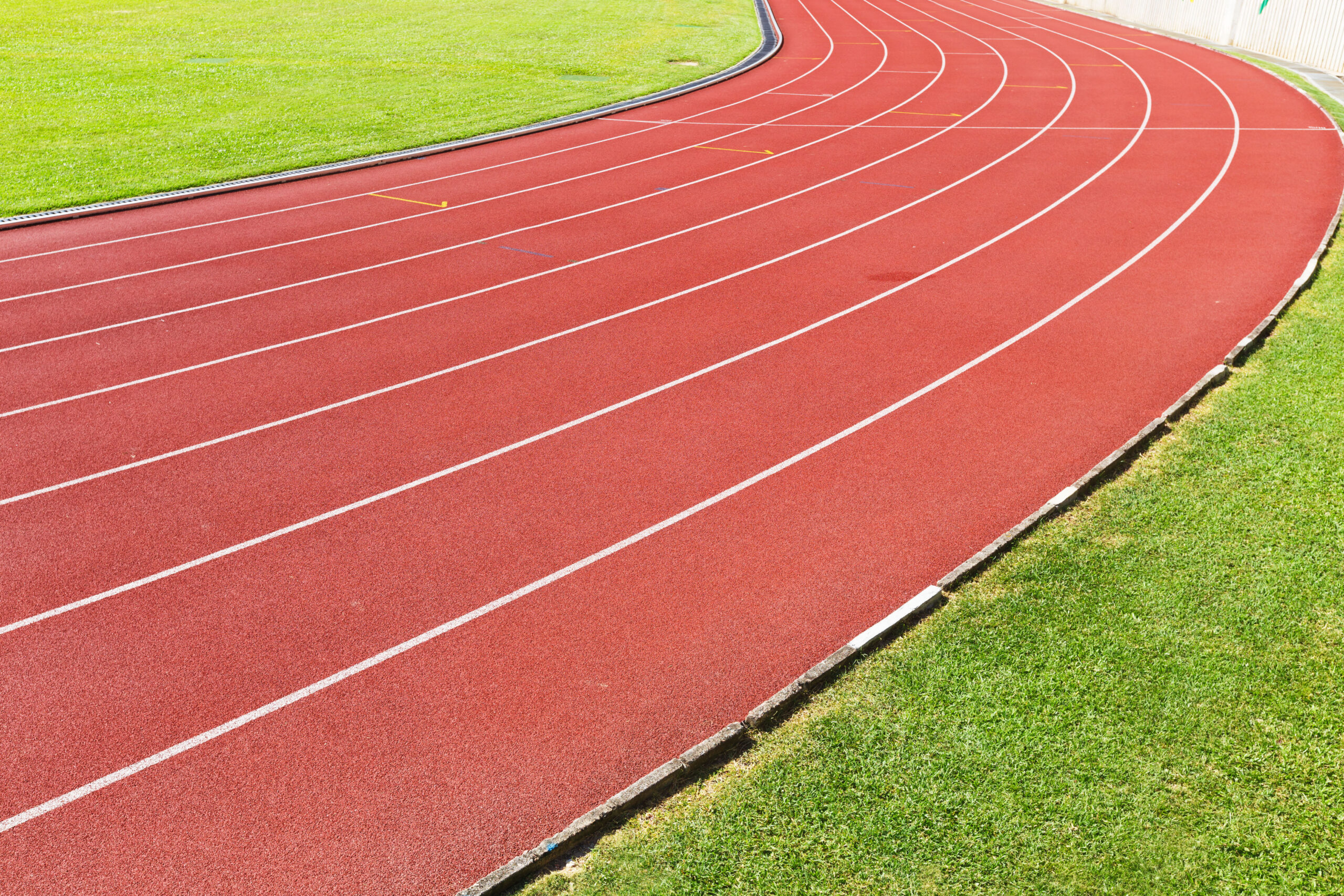
Running tracks serve as the foundation for athletic training, competition, and recreational exercise across schools, universities, and community facilities. When a track is designed and maintained properly, it supports athlete safety, encourages consistent training, and holds up to years of daily use. However, a poorly constructed or neglected track can quickly develop issues that impact both performance and safety. Cracks, fading, uneven areas, and drainage problems can all affect the reliability of the surface.
With running continuing to grow as one of the most popular forms of exercise, high-quality tracks are more important than ever. According to Statista, roughly 50 million people in the United States run or jog regularly. From student athletes preparing for competitions to community members using tracks for daily workouts, these facilities serve a wide range of users. Track surfacing contractors often work closely with facility managers to share practical recommendations that help tracks perform better and last longer. The following insights reflect some of the most valuable guidance they offer.
Successful track projects begin long before the first layer of surfacing material is installed. Track surfacing contractors frequently emphasize the importance of planning the design carefully from the start. Proper measurements, curve alignment, and drainage planning all contribute to a track that performs reliably under regular use. Skipping these early design considerations can create problems that become difficult and costly to correct later.
A well-designed track takes into account how water will move across the surface and how athletes will move along each lane. Small details such as consistent slopes and properly placed drainage outlets help prevent standing water and uneven wear. Track surfacing contractors often collaborate with architects and facility planners to create designs that balance performance, durability, and safety.
Thoughtful design also improves the overall athlete experience. Smooth curves, uniform lane widths, and consistent traction help runners maintain their stride without interruption. When planning is done carefully, the finished track becomes a reliable training surface that athletes can depend on every day.
The type of materials used on a running track can significantly influence how it performs over time. Many project planners work closely with experienced professionals to select materials that match the intended use of the track. Some locations host competitive events and daily practices, while others are primarily used for community recreation.
Modern running tracks typically rely on rubberized or polyurethane surfacing systems designed to provide cushioning and grip. These materials absorb impact while still allowing athletes to maintain speed and stability. Choosing high-quality materials helps reduce premature wear and protects the track from environmental damage.
Climate conditions are also an important factor when selecting surfacing materials. Track surfaces must withstand heat, rain, and seasonal temperature changes without losing their structural integrity. Thoughtful material selection can extend the life of the track while maintaining consistent traction and appearance.
While the visible surface layer often receives the most attention, the underlying foundation plays an equally important role. Track surfacing contractors frequently remind facility managers that a stable base supports the entire track system. Without proper foundation preparation, even the highest quality surfacing materials may fail prematurely.
The base layers usually include compacted aggregate and asphalt or concrete that provide structural support. These layers must be installed with precision to prevent shifting or uneven settling. Careful attention to grading and compaction during construction helps create a consistent and reliable base.
Protecting the foundation over time is equally important. Water infiltration, soil movement, or heavy equipment traffic can weaken the structure beneath the surface. Regular inspections help identify potential problems early and allow for corrective actions before larger issues develop.
Consistent maintenance is one of the most effective ways to extend the life of a running track. Many professionals encourage facility managers to treat track care as an ongoing responsibility rather than an occasional task. Routine inspections and cleaning help maintain both performance and appearance.
Debris such as leaves, dirt, and small stones can accumulate on the surface and reduce traction if left unattended. Regular cleaning helps preserve the textured surface that runners rely on for grip. Gentle cleaning methods are typically recommended to remove buildup without damaging the surface layer.
Maintenance also includes checking for early signs of wear. Small cracks, worn areas, or fading lines may indicate the need for minor repairs. Addressing these issues early allows maintenance teams to perform targeted work that prevents more extensive damage later.
Even with excellent maintenance, running tracks eventually require resurfacing. Track surfacing contractors often advise facilities to plan for this step long before the surface begins to deteriorate noticeably. Most modern tracks need resurfacing after several years of consistent use.
Resurfacing restores many of the qualities that make a track safe and comfortable for athletes. Over time, exposure to sunlight, foot traffic, and weather can reduce the flexibility and traction of the surface. A new layer helps restore cushioning and improves the visual appearance of the facility.
Developing a long-term resurfacing schedule helps facility managers avoid unexpected interruptions to training programs. Track surfacing contractors frequently help schools and community organizations estimate realistic resurfacing timelines based on how often the track is used.
The quality of a track installation often depends on the experience of the professionals performing the work. Specialists who focus on athletic facilities bring valuable knowledge that can influence the success of the project. Their familiarity with industry standards helps them identify potential challenges before construction begins.
Experienced professionals guide clients through each stage of the process, from evaluating existing conditions to selecting materials and completing installation. Their insights help facility managers make informed decisions that align with long-term performance goals. Working with knowledgeable installers often results in smoother project timelines and fewer complications.
Professional contractors also remain current with evolving technology and surface systems. As materials improve and installation methods evolve, experienced contractors can recommend solutions that meet modern performance expectations. Their guidance helps facilities build tracks that support athletes for years to come.
Environmental conditions can influence how well a track performs over time. Track surfacing contractors frequently evaluate climate patterns when planning installation or resurfacing projects. Temperature fluctuations, heavy rainfall, and direct sunlight can all affect surface longevity.
Facilities located in warmer climates may require materials that resist heat buildup and UV exposure. In areas with frequent rainfall, drainage becomes a major priority to prevent standing water on the surface. Contractors carefully analyze these factors before recommending specific surfacing systems.
Usage patterns also play an important role in determining the right approach. Tracks that host daily practices, competitions, and community events experience far more traffic than recreational facilities. By considering both climate and usage levels, contractors can recommend strategies that help surfaces perform reliably under real-world conditions.
Running tracks represent an important investment for schools, athletic programs, and community recreation facilities. When built and maintained properly, they provide a dependable space where athletes can train, compete, and stay active. From thoughtful design and durable materials to regular maintenance and resurfacing, each step contributes to the long-term success of the facility. The recommendations shared by experienced professionals highlight practical ways to protect both athlete safety and facility resources.
If your organization is planning a new track installation or evaluating the condition of an existing surface, professional guidance from experienced track surfacing contractors can make a meaningful difference. Contact Fisher Tracks today to learn how our experienced professionals can help support your next track project.